In his own words
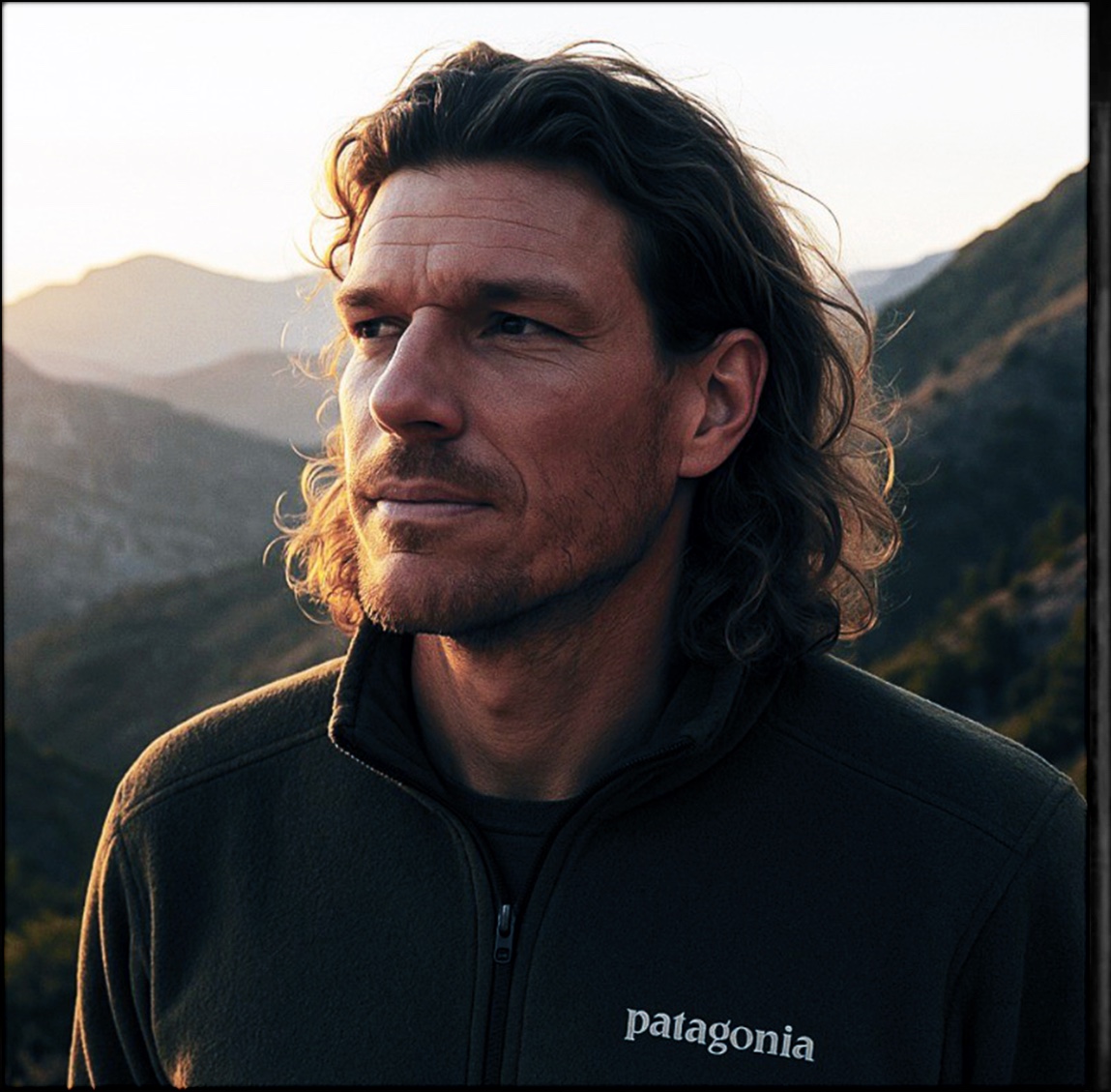
Steven Keen
MSc candidate in Responsible Tourism Management, MA Film; GSTC-, ICRT-, and UESCA-certified; with specialized training in accessible tourism (HMU). Credentials on ORCID.
For a decade, I lived behind a camera in those places the brochures leave out, documenting lives the world had quietly agreed not to look at too closely. It taught me one thing I have never forgotten: a story belongs to the people living it. My job was to carry it out with care—and never to take more than I was given.
The film I am proudest of, Fisher of Kids, follows James Kofi Annan—sold into slavery on Lake Volta at six years old, now the man who keeps going back for the others. It premiered in Accra, Hay-on-Wye, and Washington, D.C. Today it rests in the archives of the United Nations’ International Labour Organization. I am prouder of where it ended up than of anything it ever won.
But I couldn’t stand that close to other people’s courage for so long and remain a spectator. Somewhere along the way, telling other people’s stories stopped being enough.
“Some stories you tell—others you go and live.”
So I went to live in one, a mountain village on Crete, and never left. I had spent years watching outsiders arrive somewhere unspoiled and, with the best of intentions, slowly take it apart. Tourism is the largest and gentlest version of that arrival, and it now touches almost every beautiful place on earth. I no longer wanted to film that story from a distance; I wanted to help write it a better ending—from the inside.
That work has a name now: CRETAN®. It’s a living attempt to show that travelers can leave a place, and the people who call it home, better than they found them. And when I am not out doing it, I am writing it down: everything the island has taught me, everything I got wrong, everything I wish someone had put in my hands when I began. That became responsibletourism.com, with its companion resources on inclusive tourism and ethical travel: free to read, and cited to the primary source.
I didn’t arrive with all the answers. Mostly what I found was how much I still had to learn, and how much good was already being done by others. I owe a real debt to Professor Harold Goodwin, the pioneer of the responsible tourism movement, who has been generous enough to teach me some of it. The shape of the rest I owe to Muhammad Yunus, and his vision of a business designed to heal rather than harvest. It’s the standard I hold CRETAN® to, and the only sense in which I’ll answer to social entrepreneur: not a title I took, but one I’m still trying to deserve. I came for one reason, and it hasn’t changed—to be useful in a place I love, and to keep learning out loud.
Because we do not get to keep anything we love. We only get to decide what outlives us.
“I make things meant to outlast me—first on film and now on the ground.”
A film still doing its quiet work a decade on. A village still whole when I am gone. A way of traveling our children inherit rather than apologize for. If any of this stirs something in you—if you are one of those up at night, building toward a kinder world—then we ought to know each other. I’d love to hear from you. But if you’d rather just listen in for a while, I send a Letter from Crete once a month about how we might travel better. Whether our paths cross, or we simply share the same quiet hope—keep going.